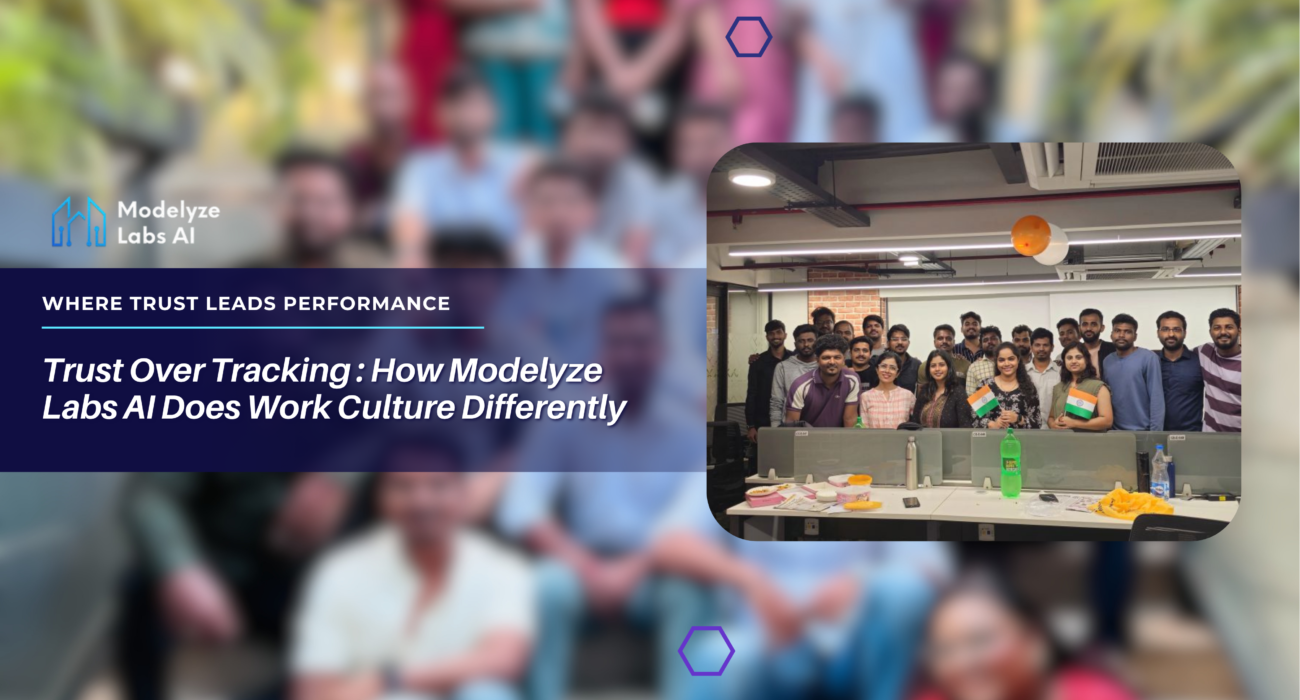
Micromanagement doesn't protect quality. It protects comfort the comfort of the person doing the managing.
At Modelyze Labs AI, we’ve built our operating model around a simple principle clarity over control. Every person on our team knows exactly what success looks like for their role. They know the company’s priorities. They understand the constraints technical, financial, ethical we’re working within. And within that clarity, they have full autonomy to decide how to get there.
This doesn’t mean we never talk. We talk constantly. But our conversations are about strategy, not permission. They’re about alignment, not approval. There’s a meaningful difference between a manager who asks “did you finish that task?” and one who asks “what are you seeing that I might be missing?” The first one checks a box. The second one actually helps.
How we practice clarity over control
Trust is also something you have to demonstrate, not just declare. It’s easy to write “we trust our team” in a values document. It’s harder to actually step back when you’d rather step in. We’ve had moments especially early on where the instinct to jump in, to course correct, to “just quickly check in” was strong. We had to consciously resist it. Because every unnecessary check-in sends a message: we don’t think you can handle this without us.
What building this culture actually requires from leadership
None of this happens on its own. Genuine trust-based culture is an active leadership practice, not a passive default. Here’s what we’ve found it actually takes:
The more your team understands the “why” behind decisions company direction, customer problems, the trade-offs leadership is navigating the fewer questions they need answered before they can move. Context is the substitute for control. When people understand the full picture, they make better decisions independently, and they make them faster.
Ongoing, honest, two-way conversations make oversight unnecessary. You don’t need to watch people work if you genuinely know where they are, what they’re thinking, and what’s in their way. Real-time feedback replaces the need for surveillance and it’s far more useful to everyone involved.
3 Celebrate ownership, especially when things go wrong.
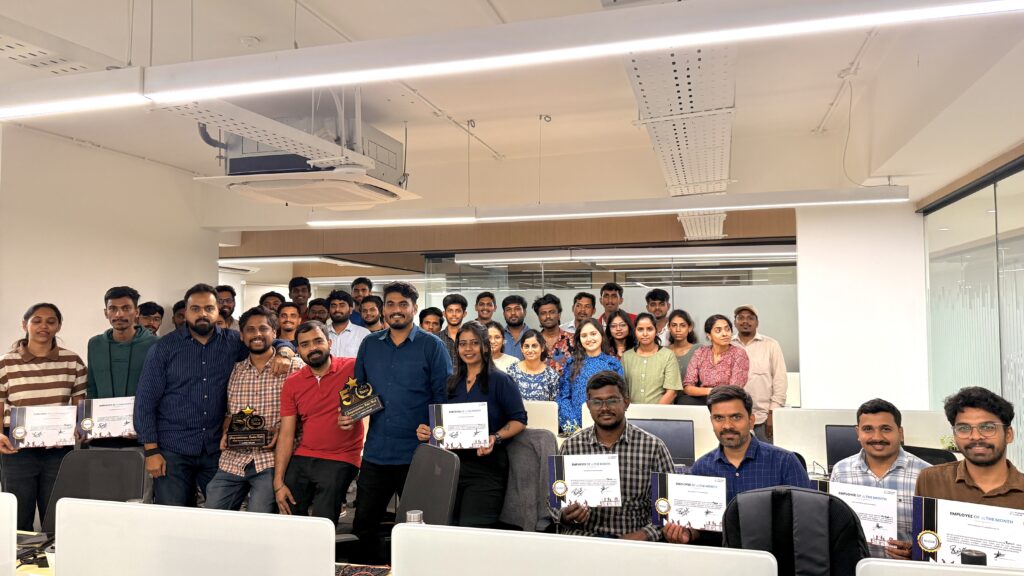
How a team handles a mistake tells every single person watching whether it’s actually safe to own things here. If mistakes are punished, people hide them. If they’re treated as learning opportunities, people surface them early which is exactly when they’re still fixable. Protect that psychological safety fiercely. It’s the foundation everything else is built on.
Leadership That Supports Growth
At Modelyze Labs AI, leaders are expected to remove roadblocks, enable progress, and support development.
This means employees are encouraged to:
- Share ideas confidently
- Identify process improvements
- Make informed decisions
- Learn through challenges
- Contribute beyond their immediate responsibilities
Building trust creates stronger teams. Stronger teams create stronger products.
Why Empowerment Drives Business Success
Fast-moving industries demand adaptability. Organizations that empower employees respond faster, innovate better, and build stronger customer outcomes.
At Modelyze Labs AI, we believe great work happens when talented individuals have the confidence, tools, and trust needed to perform at their best.
Because building technology for the future starts with building workplaces designed for people to grow.
FAQ
Find Out Answers Here
We focus on trust, ownership, collaboration, and continuous learning while building AI-powered solutions that create real-world business impact.
Yes. We believe flexibility helps people perform at their highest potential while maintaining healthy work balance.
Through professional development programs, learning opportunities, mentorship, and performance recognition initiatives.
As the company continues growing across AI and digital transformation initiatives, opportunities regularly open for professionals looking to build meaningful careers in technology and innovation.
Employees experience a collaborative environment that values innovation, accountability, knowledge sharing, and open communication across teams.